
About
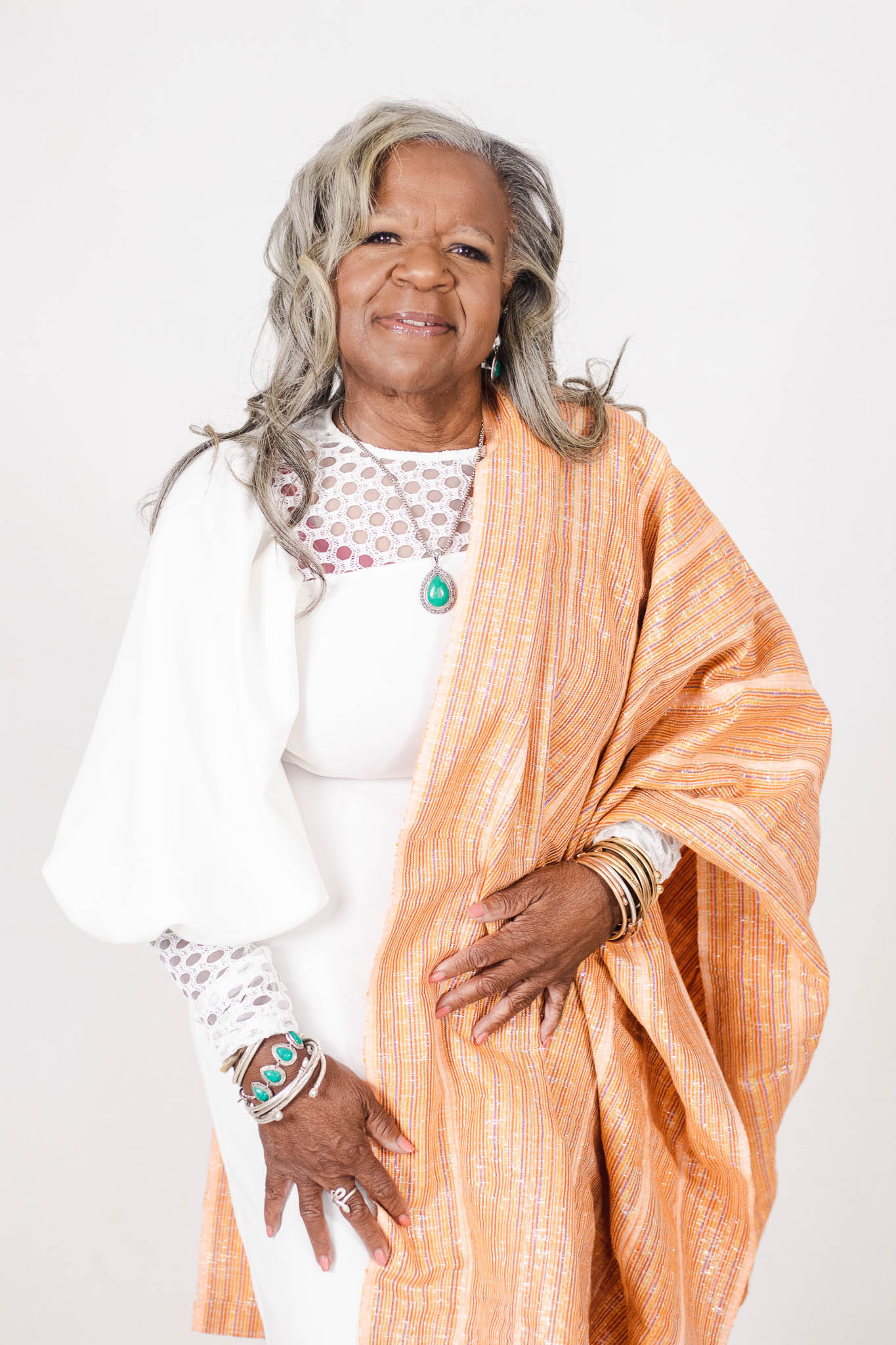
Dr. Fayth Anese Ruffin; Author of “Navigating Manifestation”.
Healer, scholar, diviner and truth-seeker. My work is a bridge between ancestral wisdom and present-day transformation. Through research, spiritual practice, and personal experience, I channel my Divine Collective — a chorus of ancestors, spirit guides, and cosmic forces — to guide others in reclaiming their inner divinity.
Here, you’ll find my published work, resources for healing and transformation, and an open invitation to walk the path of epistemic freedom — where knowledge liberates, divinity awakens, and healing becomes a form of justice.
About
Dr. Fayth Anese Ruffin; Author of “Navigating Manifestation”.
Healer, scholar, diviner and truth-seeker. My work is a bridge between ancestral wisdom and present-day transformation. Through research, spiritual practice, and personal experience, I channel my Divine Collective — a chorus of ancestors, spirit guides, and cosmic forces — to guide others in reclaiming their inner divinity.
Here, you’ll find my published work, resources for healing and transformation, and an open invitation to walk the path of epistemic freedom — where knowledge liberates, divinity awakens, and healing becomes a form of justice.
DR. FAYTH ANESE RUFFIN | AUTHOR OF
“NAVIGATING MANIFESTATION” Pre-order now
A Wounded Healer’s Approach to Spiritual Consciousness
My Story
Although born into a close knit African American community called Walnut Hills in Cincinnati, Ohio, a 3-year-old Fayth complained to her mother in tears that she wants to go to her real home, that she wants to be with her real family. By age 5, her mother reasoned with her that ‘this time’ she and Fayth’s father are her parents for now, that her brothers and sisters are her siblings for now. This settled Fayth down until learning at Douglass Elementary School that not only is she in a foreign land, but so are the white people who appear to try to run everything. From this Fayth’s persona as ‘warrior-on-the-road’ emerged governing her sense of being and justice even until today. There are wrongs to be righted, there are injustices to be corrected. Too often these wrongs and injustices stemmed from the weaponisation of a meaningless construction called race. Life for Fayth has been ‘no crystal stair’ as Langston Hughes’ poem denotes. Yet, just as the Orisha highlighted during her first diloggun reading, Fayth went on to become the diviner, healer, public administrator, lawyer, teacher, and public speaker for which she was destined.
But Fayth’s biography is about a lot more than accomplishing destiny – which is an ongoing process. Rather, her biography, just like yours, is cast against the backdrop of a global socio-political economy requiring us to historicise and critique world affairs. Being a warrior-on-the-road, the author is a truth-seeker. As such, she questioned as a child at Bethel Baptist Church, the colour of Jesus Christ and the biblical characters. To avoid answering questions, church dignitaries assigned her to teach peers in Sunday School and as a teenager, to be an assistant director for Vacation Bible School. Fayth’s emerging leadership skills continued to be honed as a patrol leader in Girls Scouts, Grand Royal Queen in Girls Assembly (Eastern Star youth organisation) and Senior Class President at Withrow High School. Undergraduate studies found Fayth, to the chagrin of some teachers, battling westernised curriculum as incomplete if not erroneous. Even then, her warrior-on-the-road motif found her attending three higher education institutions in as many years. Upon the urgence of her ancestors, Fayth completed Antioch School of Law in Washington, DC in 1980, a forerunner in clinical legal education, which is now the University of District of Columbia, David A. Clarke School of Law. Disenchanted with some aspects of the westernised justice system, she refused to practice law and instead conducted seminars on holistic health – the unity of the mind, body, soul and spirit – not realising that she was being guided by different actors in her Divine Collective. This led Fayth to ancestral consciousness at which time her Divine Collective commissioned her to become a practicing attorney. During that period, she was initiated into the Lukumi tradition as a priestess of Obatala.
After years of practicing law, that same Divine Collective reminded her that she must return to the African continent and prevailed upon her to obtain a PhD in Global Affairs at Rutgers, the State University of New Jersey at Newark prior thereto. While experiencing some of her darkest days of being homeless and having multiple cancer-related surgeries during graduate school, Fayth managed to conduct doctoral research in Cape Town, Johannesburg, and Durban in 2009. Upon deboarding the plane in Durban in the province of KwaZulu-Natal, her Divine Collective whispered in her ear: “you are home, now” – bringing back memories of her exclaiming to her mother as a toddler that she wanted to go home to her real family.
In 2011, she relocated to South Africa to teach at the University of KwaZulu-Natal. Shortly thereafter, following illnesses and yet another surgery, uBaba Mkhulu of the Ndwandwe nation came to the forefront, clarifying that he is the one running the show and that Fayth must become a sangoma to carry on his work in the 21st century. Although all the roads of the Orisha with whom she journeys are all healers, even though it was consistently revealed by her Divine Collective that she must pen this book to bring forth their voice, Fayth avoided it for as long as possible. Even penning the book brought suffering and hardships – facing sporadic traumas and inflicted wounds, hidden yet retained. However, the joy and triumph of healing prevailed. Now we have Fayth, a wounded-healer and epistemic freedom coach, drawing upon her Divine Collective to experientially help individuals, groups and organisations facilitate their own healing and cosmological justice against the backdrop of global affairs.